

From financial narratives to engineering intelligence
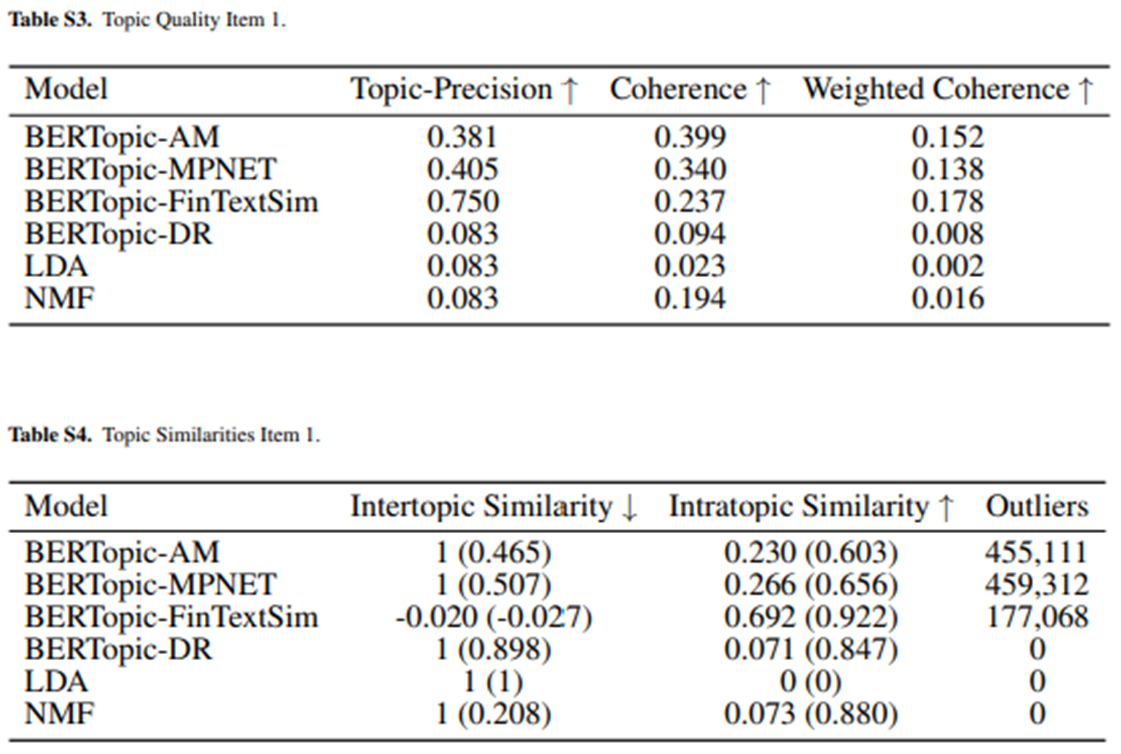
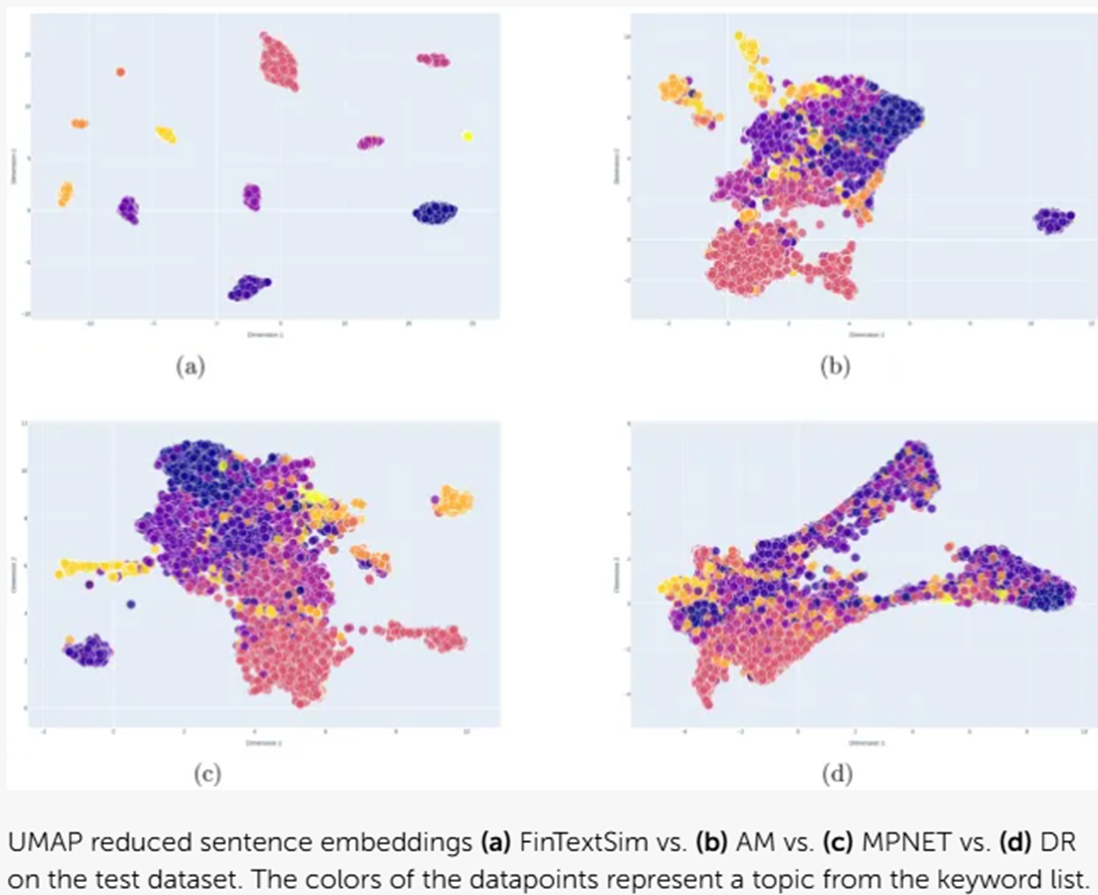
When we think about the way artificial intelligence reshapes how we understand complex systems, its influence often feels abstract or confined to headline-grabbing breakthroughs. Yet sometimes breakthroughs emerge that speak directly to the daily challenges researchers and engineers face when confronting vast amounts of unstructured information. “FinTextSim: a domain-specific sentence-transformer for extracting predictive latent topics from financial disclosures”, just published in Frontiers in Artificial Intelligence, is one such work. The authors demonstrate a thoughtful blend of machine learning, natural language understanding, and domain adaptation, not to chase novelty for its own sake, but to make text data, often sprawling and messy, genuinely informative for predictive tasks.
What the researchers achieved is a model that understands financial language not as generic strings of text but as meaningful narratives with economic substance. Traditional approaches that treat words as mere bags of tokens fail to capture the rich interplay between terms and contexts in financial reports. By fine-tuning a sentence-transformer specifically on financial disclosures, the team has built a tool that turns those narratives into structured representations that are both interpretable and predictive. Instead of letting numerical metrics be the sole arbiters of performance forecasts, this model brings management commentary and risk disclosures into the analytical fold, revealing how sentiment, emphasis, and thematic contours in text can illuminate future performance in ways that raw numbers alone cannot.
This insight, that unstructured text can encode forward-looking signals, resonates with the challenges we’ve been tackling within DIGEST, particularly in Work Package 2. WP2 is all about laying the methodological groundwork for extracting actionable information from complex, multimodal sources of engineering data: digital threads, sensor streams, maintenance logs, and architectural models. Like the financial reports in the paper, engineering assets produce massive amounts of descriptive data that often remain under-utilized because they resist neat quantification. Textual logs, diagnostic notes, and condition reports echo the same problem financial reports pose: they are rich in information but poor in structure.
Instead of seeing text as a nuisance, something to be summarized crudely or ignored, the FinTextSim paper invites a shift in perspective. In WP2 we too are exploring how domain-aware representations can serve as a bridge between raw data and meaningful decision support. The elegance of fine-tuning a sentence-transformer for a specific domain lies in its ability to embrace nuance: financial jargon, like technical engineering language, follows conventions and patterns that only a model calibrated to that context can truly appreciate. In both cases, the goal is not merely to reduce text to numbers, but to coax out latent themes that matter for prediction, planning, and action.
What makes the paper particularly valuable for DIGEST readers is how it reframes the role of unstructured data. Within WP2 we have emphasized establishing frameworks that honor both the complexity of engineering systems and the need for scalable analytics. The success of FinTextSim reminds us that the bottleneck is not computational power alone, but the degree to which we equip our models with an understanding of the domain itself. As the paper shows, ignoring that specificity can degrade performance; embracing it can lead to measurable gains in how well models forecast outcomes.
In the coming months, as DIGEST continues to refine its approach to intelligent digitization, the lessons from this work, a commitment to domain fidelity, a willingness to move beyond off-the-shelf models, and a focus on interpretability, will help inform how we integrate textual and sensor data into the frameworks developed in WP2.