

Bridging the gap: DIGEST proposes a semantic architecture for energy forecasting in smart buildings
Within the framework of the DIGEST project, researchers have achieved a significant milestone in the convergence of Building Information Modeling (BIM) and the Internet of Things (IoT).
While modern smart buildings generate vast amounts of heterogeneous data, there continues to be a persistent gap between the static, functional descriptions provided by BIM and the dynamic, high-frequency telemetry of IoT sensors. Addressing this challenge is critical for the development of true Digital Twins capable of advanced operational analytics.
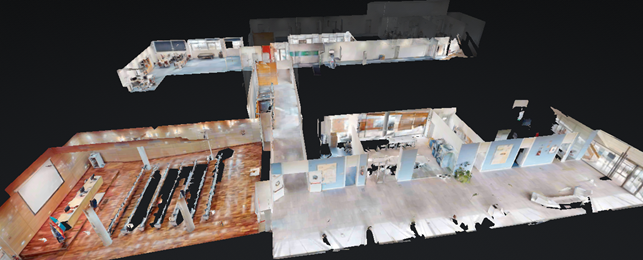
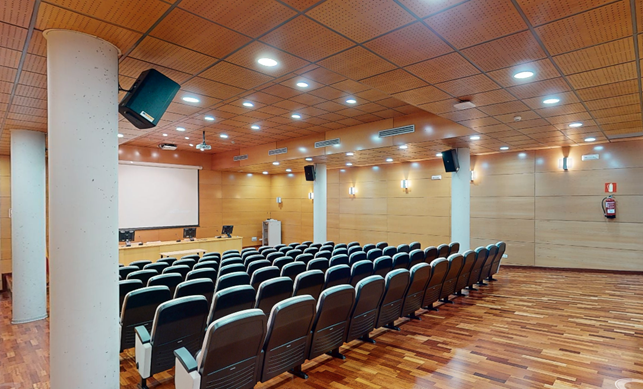
The «WiseBuild» Pilot: As part of the project’s digitization efforts, the team has successfully deployed an end-to-end architecture at the CeDInt living lab. This pilot integrates a high-density sensor network, comprising 29 BatMeter BM321 energy analyzers, into a semantic data lake.
Key innovations will be presented in an IEEE conference paper, «Semantic Integration of BIM and IoT for Energy Forecasting in Smart Buildings: The CeDInt Case Study,» include:
- Virtual Knowledge Graphs (VKG): Utilizing Ontop, the team replaced brittle, hard-coded sensor queries with semantic addressing. Applications can now request data based on context (e.g., «HVAC consumption in Zone 1») rather than database IDs.
- Standardized ontologies: The data model aligns with W3C standards (BOT for topology, SOSA for sensors), ensuring interoperability and scalability.
- Advanced AI toolkit: To validate the architecture, the team released an Energy Forecasting Toolkit that consumes semantically enriched data to train Deep Learning models (LSTM, Transformers), enabling precise load forecasting without manual data wrangling.
This development directly supports DIGEST’s mission to create abstraction layers over complex datasets, empowering facility managers to move from simple monitoring to predictive asset management.